Guides
Making the mold, start to finish
From preparing the model to pouring the silicone: the steps that work in the workshop. Each guide explains the craft first, then what Cage Mold does at that step.
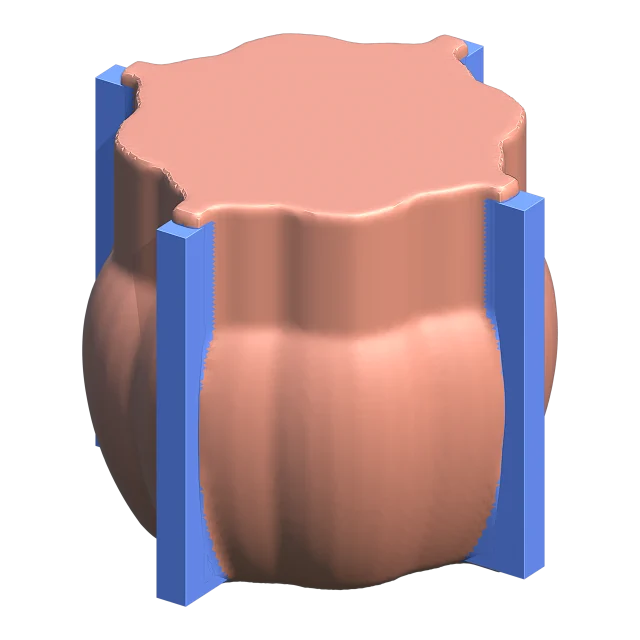
How to make a 3D-printed silicone mold box
From preparing the model to lifting out the cured mold: a silicone mold poured in a printed box.
Read the guide →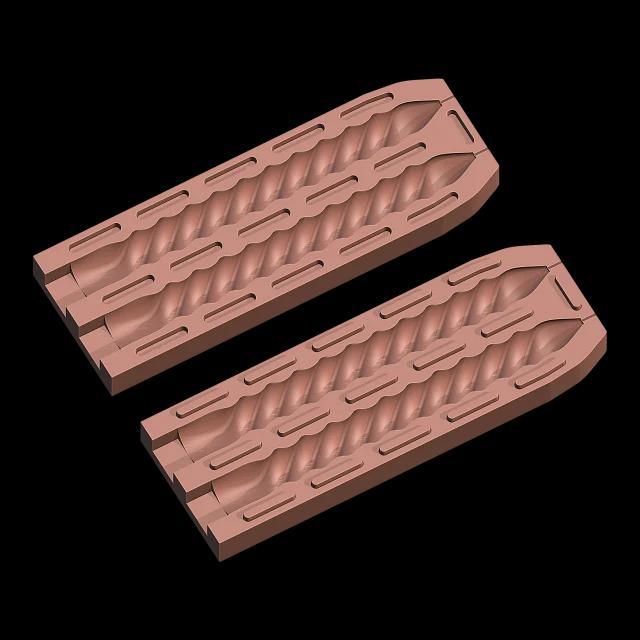
How to make a two-part silicone candle mold
Two keyed silicone halves with a wick channel and a pour head, for twisted and long thin candles.
Read the guide →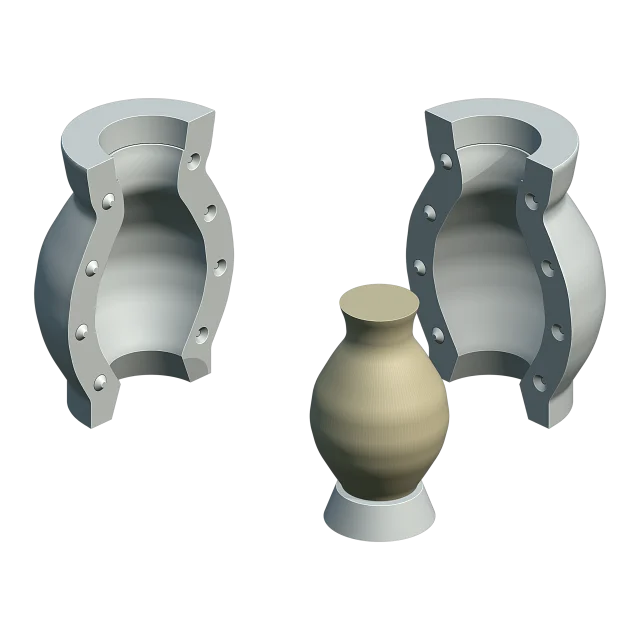
How to make a plaster mold for slip casting
A piece mold for vases, cups and figures: shrinkage, the plaster-to-water ratio, drying.
Read the guide →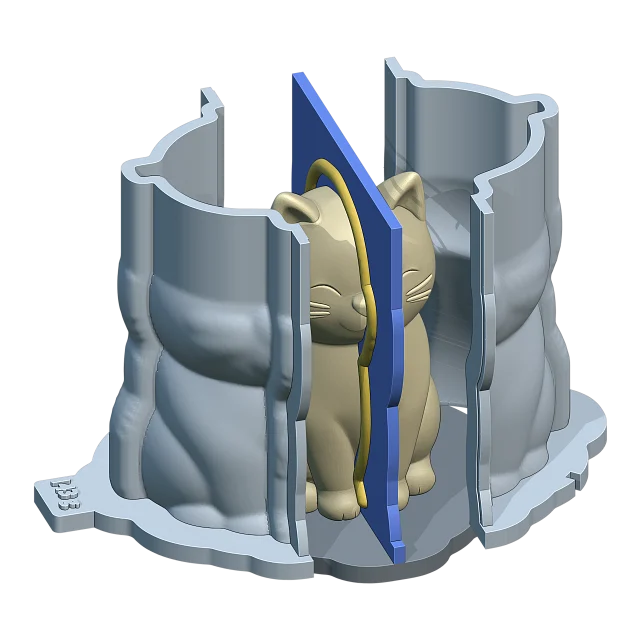
How to make a multi-part silicone mold
Two or four keyed silicone parts from one pour, for figures a one-piece skin cannot come off.
Read the guide →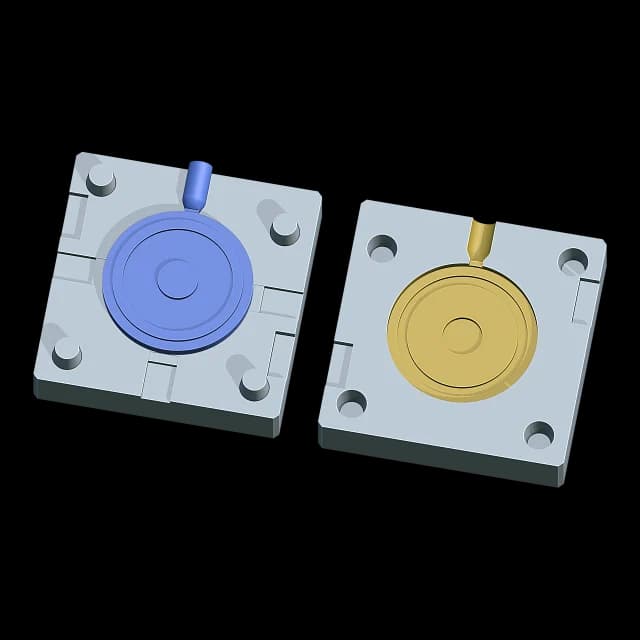
How to make a mold for a desktop plastic injection machine
Two rigid printed halves with a sprue, a gate and vents, for a vise or a machine's metal frame.
Read the guide →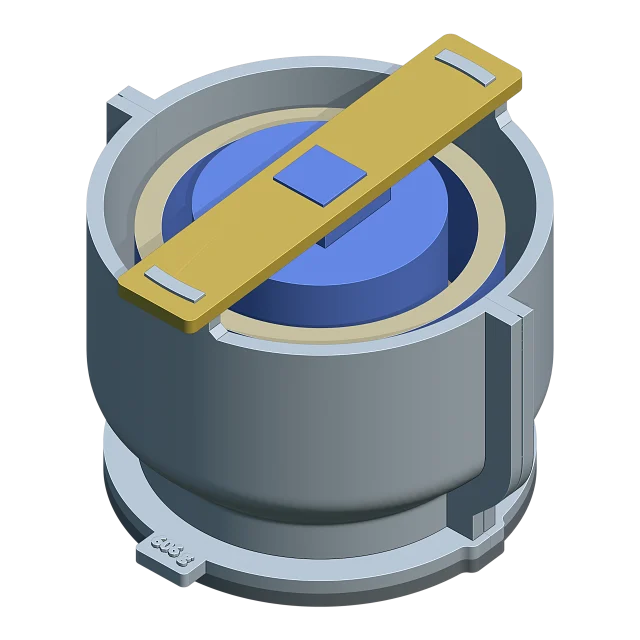
How to make a silicone mold with an inner core for hollow casts
A printed core in the model's hollow: a thin silicone skin inside, not a solid plug, for planters, pots and candle holders.
Read the guide →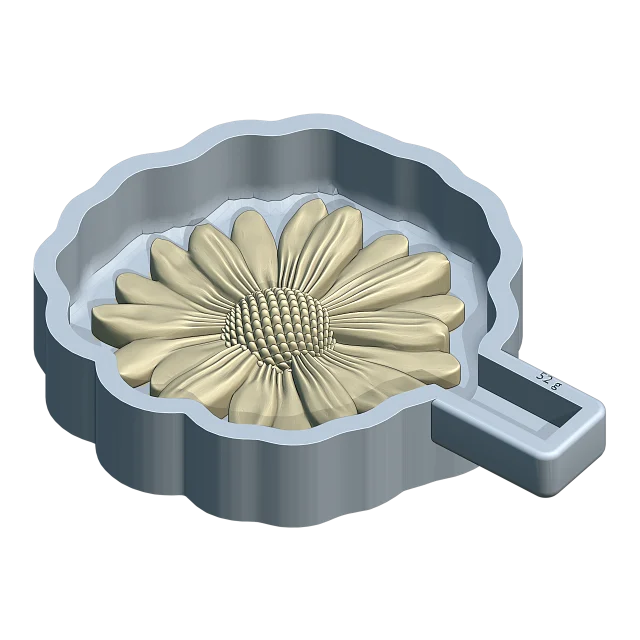
How to make a silicone tray mold
A printed pan round flat models: the silicone poured over them lifts straight out as an open tray of cavities for soap, resin, wax or concrete.
Read the guide →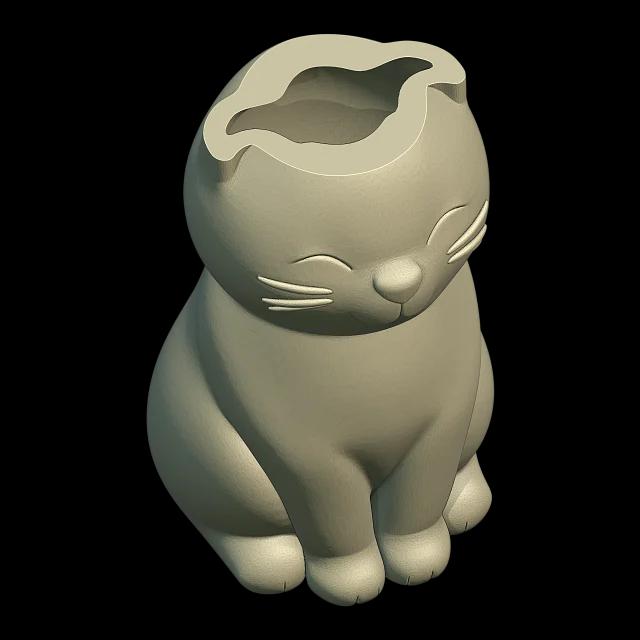
How to turn a 3D model into a printable planter or vase
From a solid figure to a pot you can print: cut the top flat, hollow it with an even wall, then print it, or mold it for concrete.
Read the guide →How much silicone do you need?
Type in the model's size; the calculator gives the silicone's volume, weight and the A/B amounts.